Learning to live safely with dogs
Community News
We had the pleasure of welcoming Domestic Animal Services (DAS) to our Lyons Early Learning Centre for a learning session with our 3-year-old room children. The session opened with meeting Respect the Dog, Protect the Child.
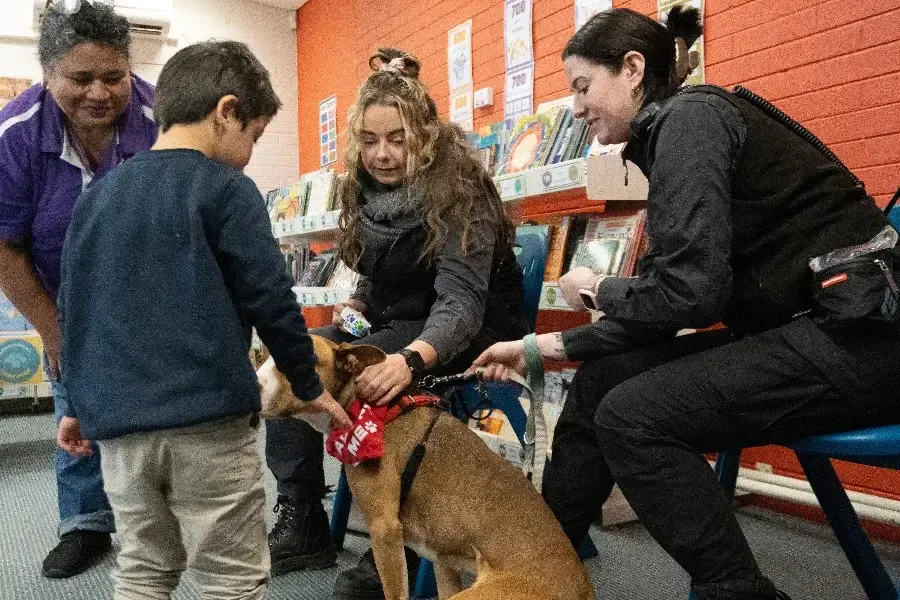
Why we welcomed the ACT Domestic Animal Services into our Early Childhood Centre
Dogs are a big part of Australian life. Our children grow up alongside them, in backyards, on footpaths, at the park. Many of the families in our Lyons community share their homes with fluffy friends and many more encounter them daily on walks and at school drop-off.
But alongside that familiarity comes a risk we don’t always talk about openly. Bite rates are highest in children under five, precisely the age group learning and playing at our centre every day. It’s incredibly important for early learning communities to understand is that most of these bites don’t come from a strange or aggressive dog. Research consistently shows that most dog bites to young children happen at home, from a dog the child already knows and trusts. It’s the family dog. The neighbour’s dog. The dog they’ve grown up with.
That’s not a reason to be afraid of dogs, it’s a reason to be better equipped around them.
Why We Invited Domestic Animal Services In
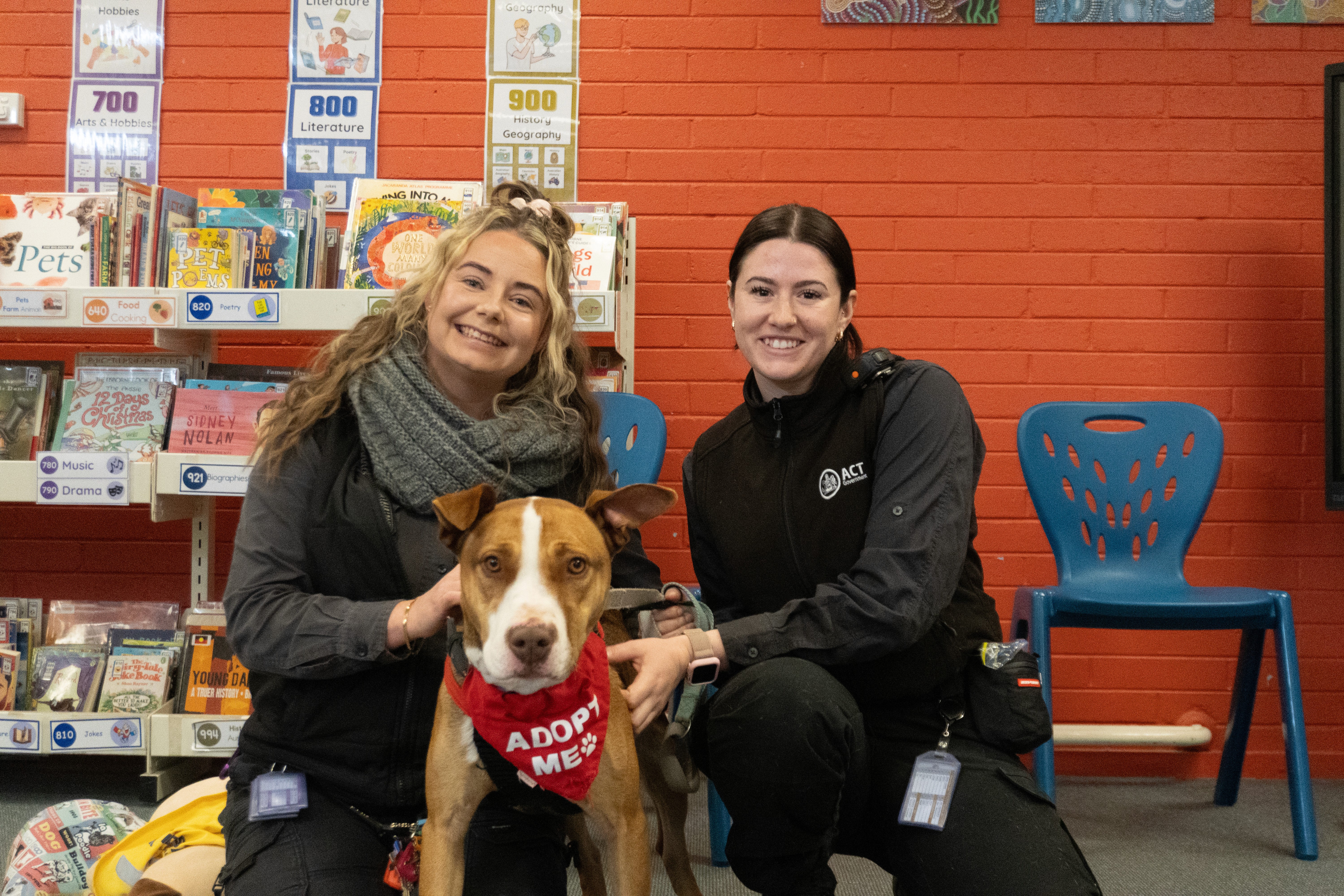
We had the pleasure of welcoming Domestic Animal Services (DAS) to our Lyons Early Learning Centre for a learning session with our 3-year-old room children. The session opened with meeting Respect the Dog, Protect the Child. Bonnie, one of the beautiful dogs in DAS’s care (who is up for adoption right now, by the way!). From the start, the children were engaged in a way that’s hard to manufacture in a classroom setting it was real, relevant and relatable to their everyday lives.
Kita and Kira from DAS helped the children understand what a dog looks like when it’s happy and relaxed, and crucially what a dog looks like when it’s worried or wants to be left alone. Things like a stiff body, a tucked tail, turning away, or a low growl are a dog’s way of asking for space.
For our little ones, who are at an age where they naturally want to rush toward a dog with arms wide open, this reframing was meaningful. We practised watching for cues and asking permission from owners or an adult before approaching a dog.
What we took away
Children this age are entirely capable of learning gentleness, boundaries, and empathy, for animals and for each other.
When a child leaves our centre and sees a dog on the footpath or visits a friend’s house where there’s a dog in the backyard, the instincts they’re building now matter enormously. Teaching a toddler to ask before patting, to stay calm, and to recognise when a dog needs space could genuinely prevent a serious injury.
We’re grateful to DAS for sharing their knowledge and passion with our community. If you’d like to learn more about Lyons ELC or our Out of School Hours program, visit our website www.wcs.org.au or book a tour directly by scanning the QR code -


